

If you already use worm castings in your garden, you’re ahead of most people.
But if you’re not turning them into tea?
You’re leaving serious performance on the table.
Worm castings tea is one of the fastest ways to deliver beneficial microbes and soluble nutrients directly to your plants. It’s organic, safe, and incredibly effective when brewed properly. And when done wrong? It’s basically dirty water.
In this guide, you’ll learn exactly how to make worm castings tea the right way, how to use it for maximum impact, when to apply it, and the mistakes that quietly ruin results.
Let’s get into it.
What Is Worm Castings Tea?

Worm castings tea is a liquid fertilizer made by steeping high-quality worm castings in water to extract beneficial microbes, soluble nutrients, and biological compounds that support plant growth.
Think of solid worm castings as slow-release soil builders.
Think of worm tea as fast-acting microbial fuel.
When brewed correctly, worm castings tea contains:
• Beneficial bacteria
• Fungi
• Protozoa
• Enzymes
• Humic substances
• Trace minerals
Instead of waiting for soil organisms to slowly break down castings in the ground, tea delivers those biological benefits in liquid form directly to the root zone or foliage.
That speed is what makes it powerful.
Why Worm Castings Tea Works So Well

Most gardening articles say worm tea “feeds plants.”
That’s only half true.
What worm castings tea really does is feed soil biology.
Healthy soil is a living ecosystem. Microbes break down nutrients into plant-available forms. They protect roots from pathogens. They improve nutrient cycling. They create soil structure.
When you apply worm tea, you’re adding billions of beneficial organisms to the root zone.
Those microbes:
• Colonize plant roots
• Outcompete harmful organisms
• Improve nutrient availability
• Increase resilience to stress
The result isn’t instant neon growth like synthetic fertilizer.
It’s steady, strong, healthy growth.
And in organic gardening, that’s exactly what you want.
Aerated vs Steeped Worm Castings Tea

There are two primary ways to make worm compost tea.
Understanding the difference matters.
Steeped Worm Tea (Simple Method)
This is the beginner-friendly method.
You soak worm castings in water for 12 to 24 hours and then use the liquid.
Pros:
• Simple
• Low cost
• No equipment required
• Good for light feeding
Cons:
• Limited microbial multiplication
• Less biologically active
It’s effective, but it doesn’t maximize microbial growth.
Aerated Worm Castings Tea (ACT)
This method uses an air pump and air stones to continuously oxygenate the water during brewing.
Pros:
• Multiplies beneficial aerobic microbes
• Produces highly active microbial solution
• Stronger biological impact
Cons:
• Requires equipment
• Slightly more attention
• Must be used quickly
If you want maximum microbial benefit, aerated compost tea is the superior option.
If you’re new, start simple.
How to Make Steeped Worm Castings Tea (Beginner Recipe)

This method is straightforward and perfect for most gardeners.
You’ll need:
• 5-gallon bucket
• 2 cups high-quality worm castings
• Mesh bag or old pillowcase
• 4 gallons of dechlorinated water
First, make sure your water is dechlorinated. Chlorine kills microbes. Let tap water sit for 24 hours, or use rainwater.
Place the worm castings into the mesh bag and tie it closed.
Submerge the bag in the bucket of water.
Let it steep for 12 to 24 hours. Stir occasionally to help extraction.
After steeping, remove the bag and gently squeeze out the liquid.
Use the tea immediately.
This method extracts soluble nutrients and some microbial life, making it a gentle and effective organic liquid fertilizer.
How to Make Aerated Worm Castings Tea (Advanced Method)
If you want stronger microbial multiplication, this is the method to use.
You’ll need worm castings, homemade preferably or store bought, plus:
Worm Castings Tea Brewing Supplies (Done The Right Way)
A clean, high-performing setup for aerated or steeped worm castings tea—built for better bubbles, better microbes, and fewer “why does this smell like regret?” moments.


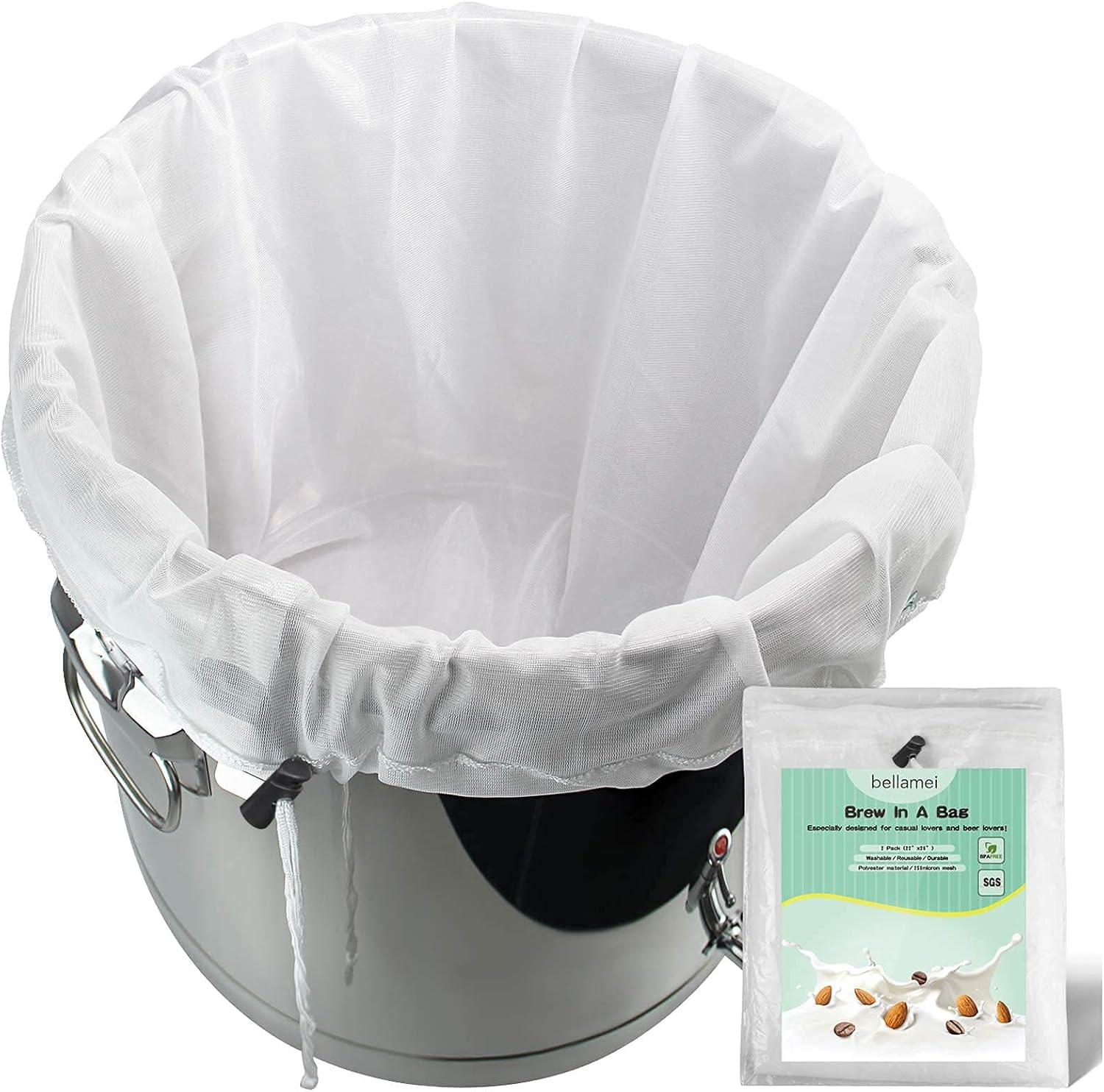


Fill the bucket with water.
Install air stones and turn on the air pump. Oxygen must flow continuously.
Place worm castings into the mesh bag and submerge.
Add molasses. This acts as a microbial food source, encouraging rapid reproduction of beneficial organisms.
Let the system bubble for 24 to 36 hours.
You may see light foam on top. That’s normal.
If it smells sour or rotten, it has gone anaerobic. Discard it and start over.
Use the tea within four hours of finishing the brew.
This is living biology. It does not store well.
How to Use Worm Castings Tea in Your Garden

Knowing how to make it is only half the equation.
Application matters.
Seedlings
Dilute tea 1:1 with water.
Apply as a gentle soil drench every 10 to 14 days.
It supports early root development without overwhelming delicate plants.
Transplants
Pour diluted tea directly into the planting hole before placing the transplant.
This reduces transplant shock and encourages rapid root expansion.
Vegetable Gardens
Use full-strength tea as a soil drench around mature plants.
Apply every 2 to 4 weeks during active growth.
Tomatoes, peppers, cucumbers, and squash respond especially well.
Container Gardens
Containers lose nutrients faster than in-ground beds.
Dilute tea 1:1 and apply every 2 weeks.
This keeps container soil biologically active.
Foliar Spray
Strain tea thoroughly.
Dilute 1:1.
Spray leaves in early morning.
This supports leaf health and microbial balance.
Lawns
Dilute 1:2.
Apply with a hose-end sprayer.
Over time, this improves soil biology beneath turf.
Houseplants
Dilute 1:3.
Apply every 4 weeks.
Indoor plants respond well to gentle biological feeding.
Dilution Ratios Quick Guide
Seedlings: 1 part tea to 1 part water
Containers: 1:1
Garden beds: full strength
Lawn: 1 part tea to 2 parts water
Houseplants: 1:3
When unsure, dilute more.
Worm tea is forgiving, but overwatering is not.
How Often Should You Apply Worm Tea?
Consistency is more important than intensity.
During growing season, apply every 2 to 4 weeks.
Heavy feeders like tomatoes can benefit from biweekly applications.
Seedlings should receive lighter applications every 10 to 14 days.
Do not apply daily.
This is biological supplementation, not hydration.
Common Worm Castings Tea Mistakes
Brewing too long can cause anaerobic conditions.
Always keep brew time under 36 hours.
Using chlorinated water destroys microbial life before it multiplies.
Never store tea for days.
Microbial populations collapse quickly after oxygen stops.
Using poor-quality castings leads to weak results.
Castings are the foundation. Quality matters.
Does Worm Castings Tea Replace Solid Castings?
No.
Solid worm castings improve soil structure, water retention, and long-term fertility.
Tea delivers microbes and soluble nutrients quickly.
The best strategy combines both.
Apply castings at planting.
Supplement with tea during growth.
That layered approach produces noticeable results.
Is Worm Castings Tea Worth It?
If you’re serious about organic gardening, yes.
It’s cost-effective.
It’s safe.
It builds soil instead of depleting it.
It supports microbial life rather than bypassing it.
And it can noticeably improve plant vigor when used consistently.
Is it magic?
No.
Is it powerful biology working in your favor?
Absolutely.
Final Thoughts
Worm castings tea is not a gimmick.
It’s not garden folklore.
It’s a practical, biologically sound way to enhance soil life and plant health.
When brewed correctly and applied consistently, it supports stronger roots, healthier foliage, and better yields.
If you already produce worm castings, making tea is the next logical step.
If you buy castings, brewing tea stretches your investment further.
Start simple.
Master the basics.
Then upgrade to aerated brewing when you’re ready.
Your soil will thank you.
And your plants will show it.


