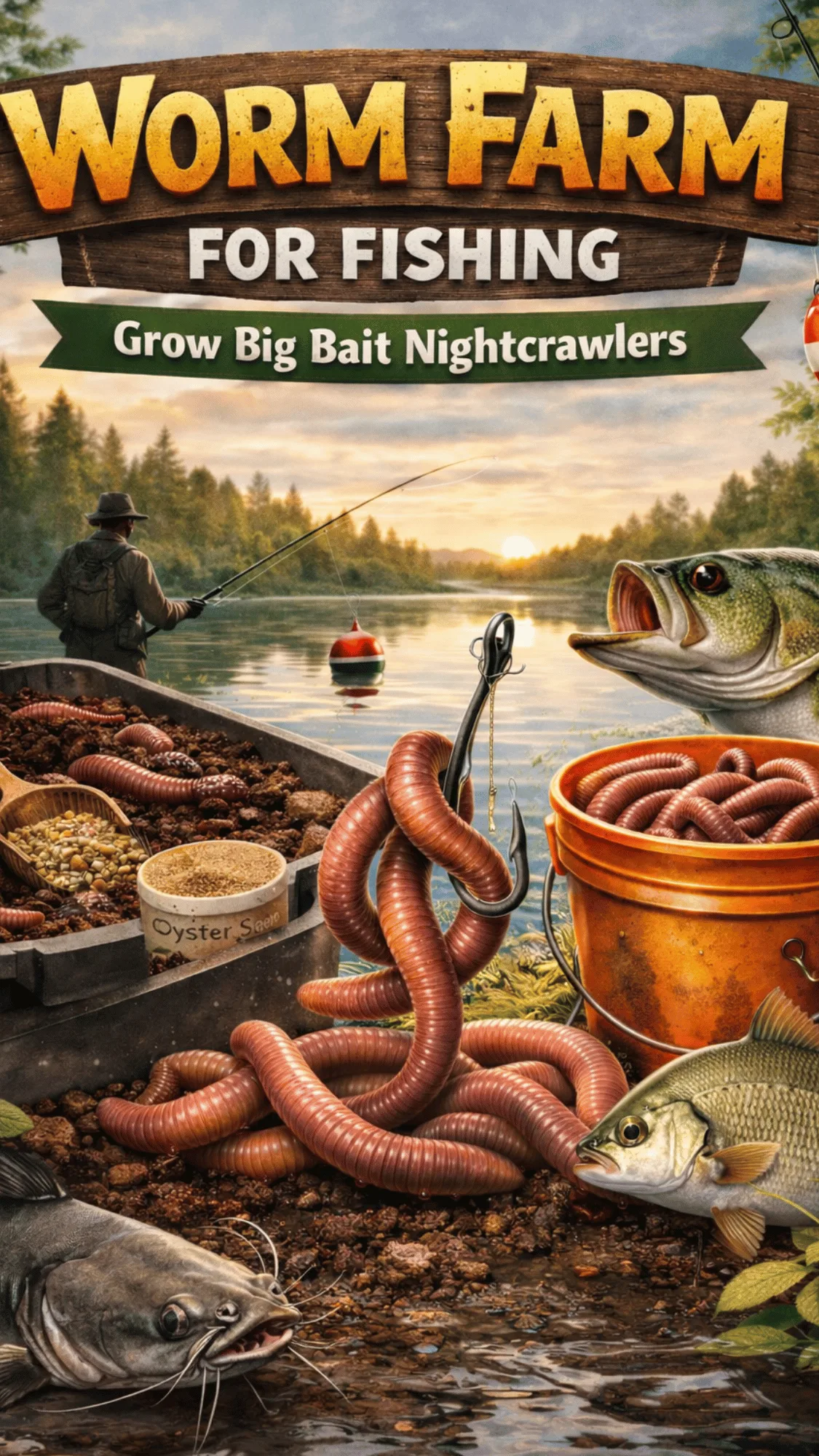

Y’all, I’ve been tinkering with my worm chow again. The latest change was simple: I added oatmeal and cornmeal to the mix I was already using. And with 13 worm bins to keep up with, I figured I might as well make a double batch instead of pulling everything back out in two days.
This is my homemade worm chow recipe using oatmeal, cornmeal, chicken layer crumbles, and a small amount of ground chia seed. It’s a dry supplemental feed I can mix ahead of time, not a replacement for moist bedding, decomposing scraps, or a healthy bin. I’m sharing the measurements I’m working with, not promising a magic worm-growth formula.
If you want a wider range of mixes, start with my original 5-star worm chow recipes guide. This article is the closer look at the actual small-batch blend I’ve been adjusting for my own worms.
My Homemade Worm Chow Recipe (Double Batch)
Here’s the full double batch. You can halve every ingredient if you only want to make a little at a time.
| Ingredient | Double-batch measurement |
|---|---|
| Plain oatmeal (rolled or quick oats, unflavored) | 1 cup |
| Plain cornmeal (no salt or seasoning) | ½ cup |
| Purina Layena 16% chicken layer crumbles | ½ cup |
| Ground chia seeds | 2 teaspoons |
Yield: About 2 cups plus 2 teaspoons of dry mix before grinding. The final volume can change slightly depending on how finely you blend everything.


Important: This is my current mixing ratio, not a scientifically validated feeding formula. I keep the chia amount small, and you can leave it out while you learn how your own bins respond.
How I Mix My Worm Chow
- Measure the plain oatmeal, cornmeal, and layer crumbles into a completely dry bowl.
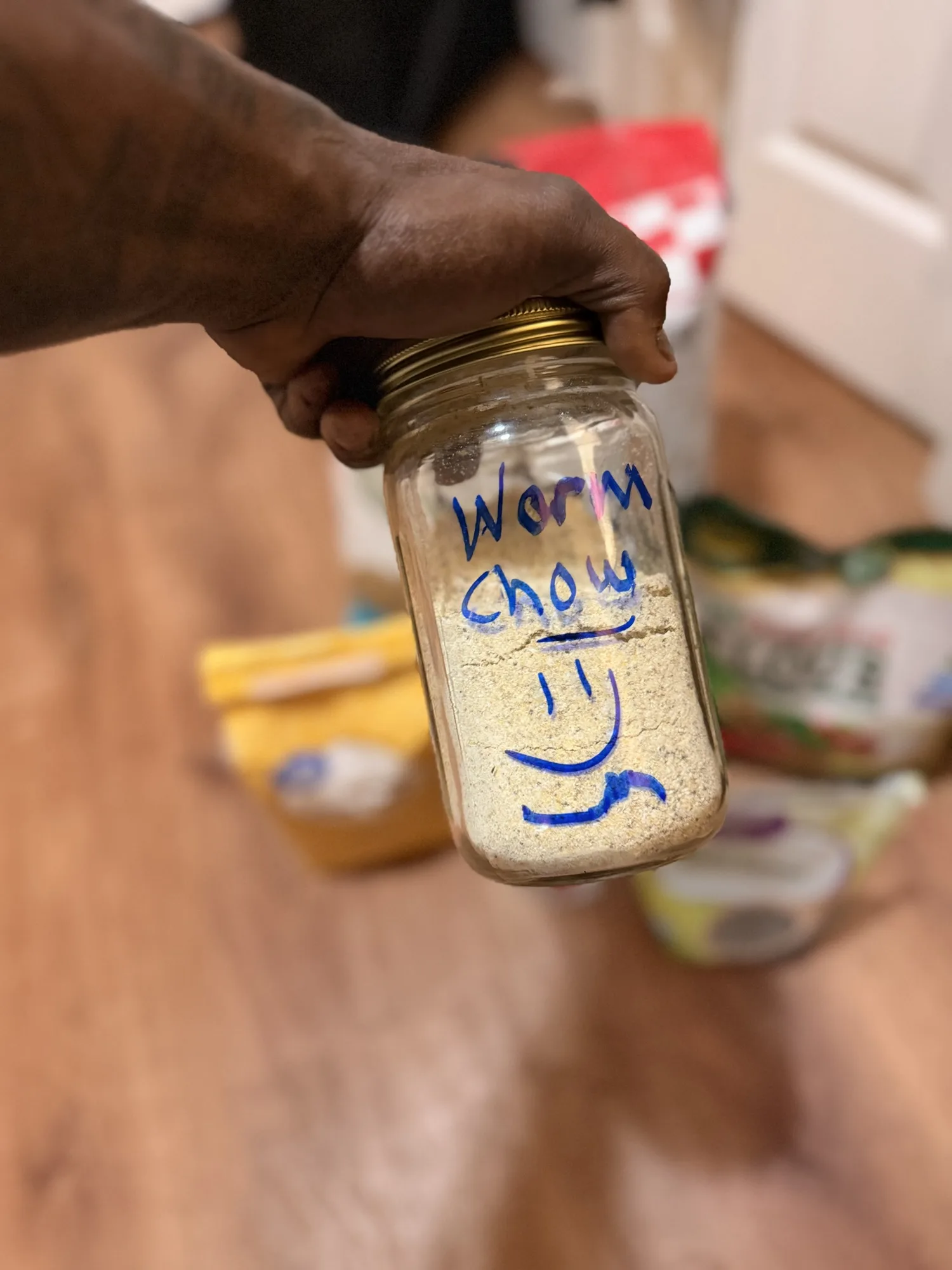
- Grind them into a fairly fine, even texture using a dry blender or grinder. I want a sprinkle, not big chunks of feed.
- Grind the chia seeds and stir in the measured 2 teaspoons. Mix thoroughly so one scoop doesn’t get most of the chia.
- Transfer the dry chow to a clean, airtight container, label it, and store it somewhere cool and dry. Keep moisture out of the container.
- Check the mixture before each use. If it smells off, becomes damp, or shows obvious spoilage, don’t feed it.
No cooking required. I also don’t add water to the storage container. The bin provides moisture; the chow stays dry until it’s sprinkled in.
Wait—What About Oyster Shell Flour?
I use oyster shell flour in parts of my worm-farming routine, so it’s a fair question. I’m not mixing a fixed amount into this particular double batch. My chicken layer crumbles already contain calcium sources as part of a poultry feed formula, and some of my bins get separate eggshell or oyster-shell additions. I’d rather adjust those separately than assume every bin needs the same extra powder.
Ground eggshell and crushed oyster shell can provide mineral grit, and calcium carbonate materials can affect the acidity of bedding. That doesn’t mean dumping in more automatically helps. A bin that’s already doing well doesn’t need me playing amateur chemist with a measuring cup.
For the general grit and feeding principles, I cross-check my hands-on routine with Alabama Cooperative Extension and Oregon State University Extension. Neither source validates this specific chow recipe or an oyster-shell dose for all bins.
Is oyster shell flour the same as Meme’s bedding recipe?
Nope. Meme’s Worms gave me a separate European Nightcrawler bedding recipe using a 3-cubic-foot bale of peat moss, chicken crumbles, and oyster shell flour. That’s a bedding preparation recipe, not the formula above for a dry top-dressed chow. I keep those two jobs separate.
How Much Worm Chow Do I Feed?
My approach is simple: start with a light dusting in one small feeding area, then look at what’s left before offering more. The right amount depends on your bin’s size, worm population, moisture, temperature, and how much other food is already breaking down.
I’ve got everything from little breeder bus pans to stacked towers and a big mixed-species trough, so handing out the exact same scoop to every bin wouldn’t make much sense. I’d start especially small in a newer or lightly stocked bin.
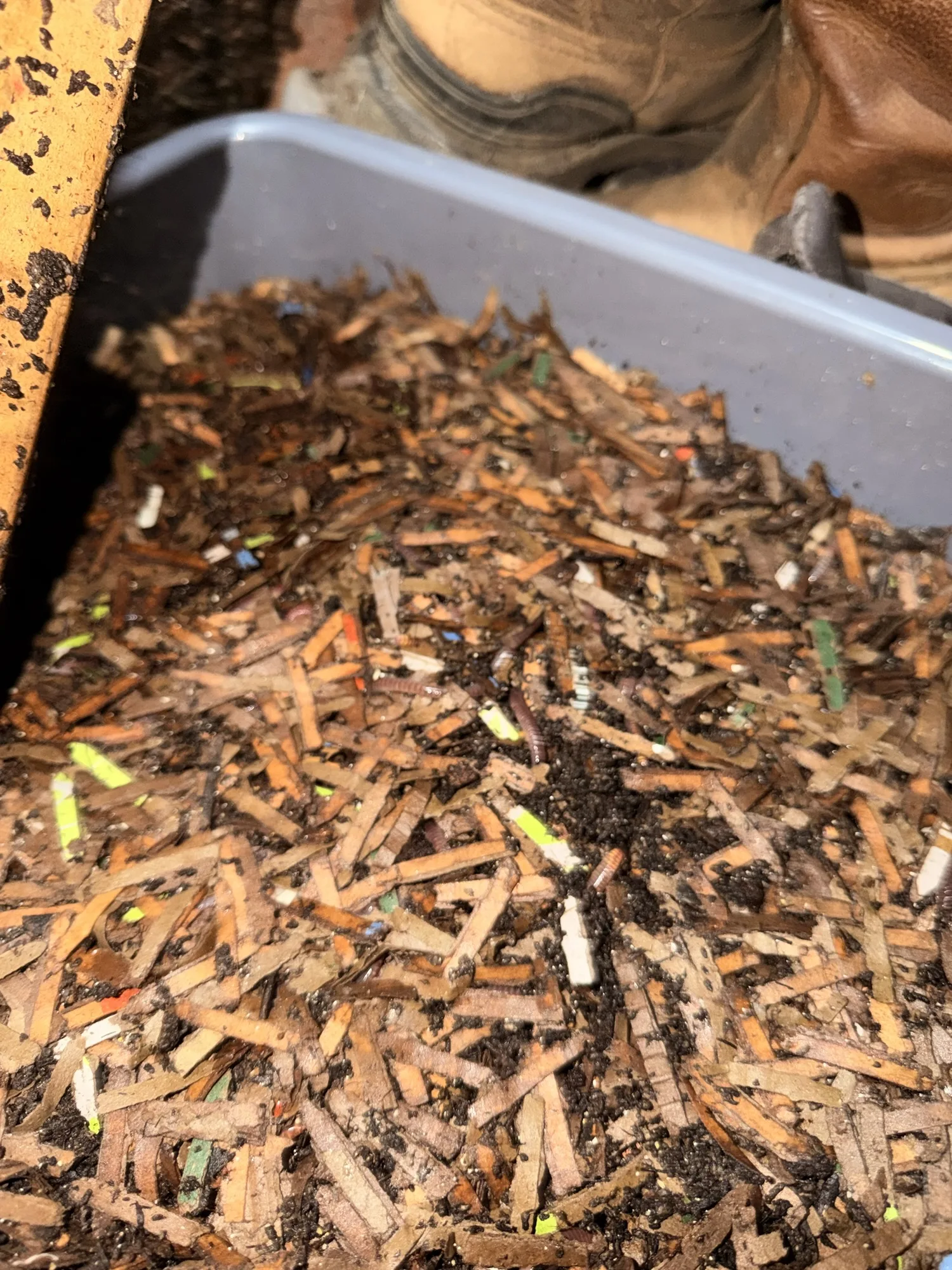
- Sprinkle a thin layer over a small patch of bedding rather than coating the entire surface.
- Cover lightly with damp bedding or shredded cardboard and maintain the bin’s usual moisture—not soggy.
- Check the feeding area later. If the chow is still sitting there, hold off on adding more.
- Watch for unusual heat, unpleasant odors, wet clumps, pests, or worms trying to leave. Reduce or stop feeding and check conditions if you see trouble.
Worm chow is an extra, not the whole menu. For regular scraps, moisture, and feeding rhythm, see my guide to feeding worms in a worm bin. Overfeeding can cause odors and excess moisture, as noted by Alabama Cooperative Extension.
Does This Work for Red Wigglers and European Nightcrawlers?
I keep both Red Wigglers and European Nightcrawlers, and I’m trying this style of supplemental chow as part of my broader feeding routine. But two bins—even bins with the same species—don’t always process food at the same speed. I judge the next feeding by what I actually see, not by the calendar.
One thing I’m not going to claim: that this exact recipe makes worms reproduce faster or guarantees more castings. If I want to know that, I need to record observations and compare the results over time.
A Quick Note About That Chia Seed Mix-Up
I’ll own this one: I accidentally used ¼ cup of chia seed when experimenting with a batch before. That was much more than I meant to add. We talked about diluting the mixture, rather than treating an unplanned heavy dose as the new recipe.
The measured double batch in this post contains 2 teaspoons of ground chia. That’s the recipe I’m documenting here. It isn’t a reason to pour extra chia into a worm bin, and I’d still introduce any new mix cautiously.
Where I Get My Worm Chow Ingredients and Tools
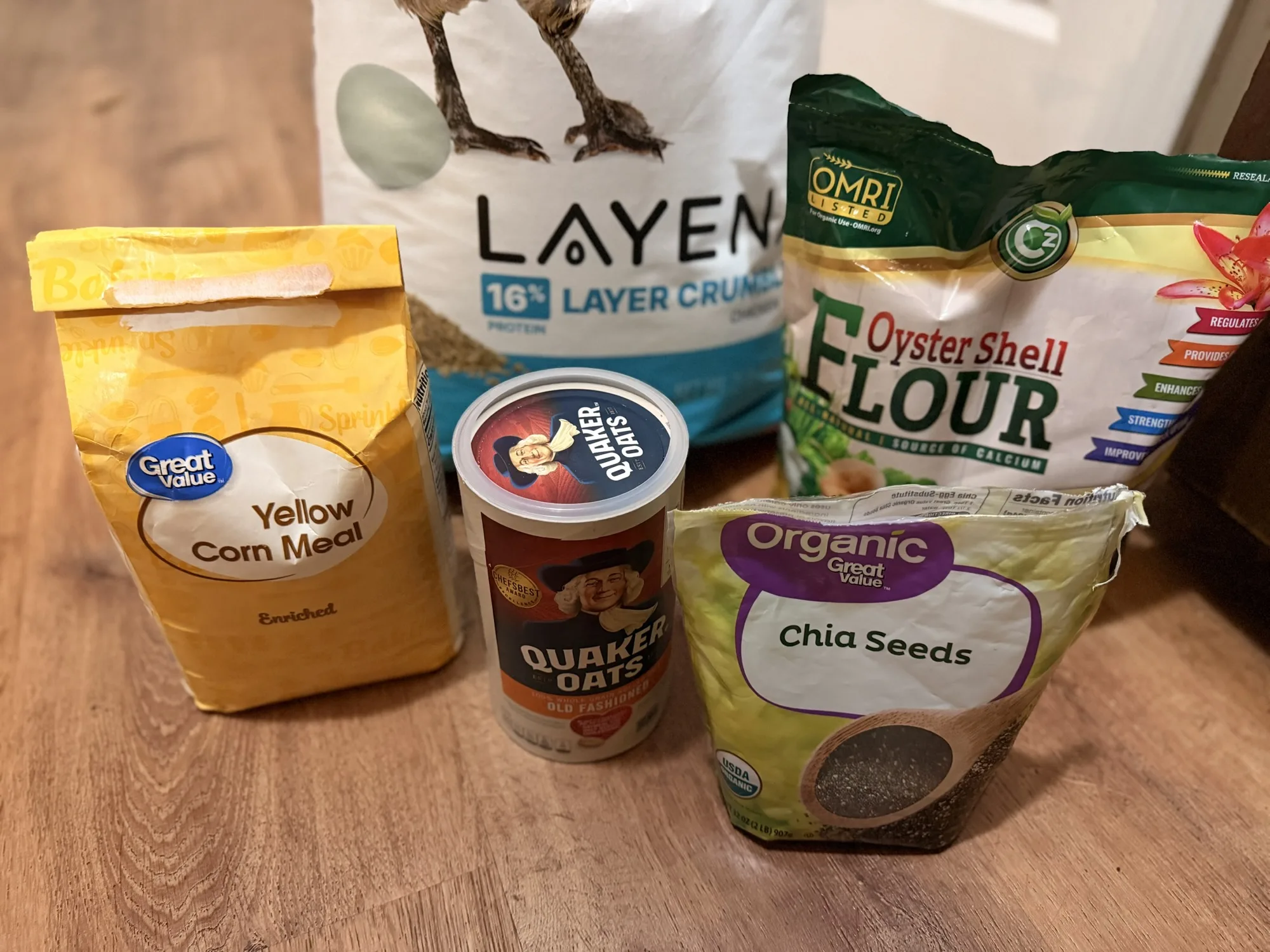
Every ingredient and the type of small blender I use can be found on Amazon, although I picked up some of the exact packages in my photos locally. Don’t feel like you’ve got to order a whole pantry just to make worm chow. Use what you already have, and compare the ingredients instead of worrying about the label on the front.
- Plain old-fashioned oats: I’m using Quaker Oats in the photo; choose plain, unflavored oats.
- Plain yellow cornmeal: My photo shows Great Value, which is Walmart’s store brand. An equivalent plain cornmeal is fine; skip seasoned or self-rising mixes.
- Purina Layena 16% layer crumbles: This is the specific poultry feed I measured for this recipe. Check the formula and bag size carefully before substituting.
- Plain chia seeds: My bag is Great Value Organic; regular plain chia seeds are the ingredient, and I grind only the measured amount.
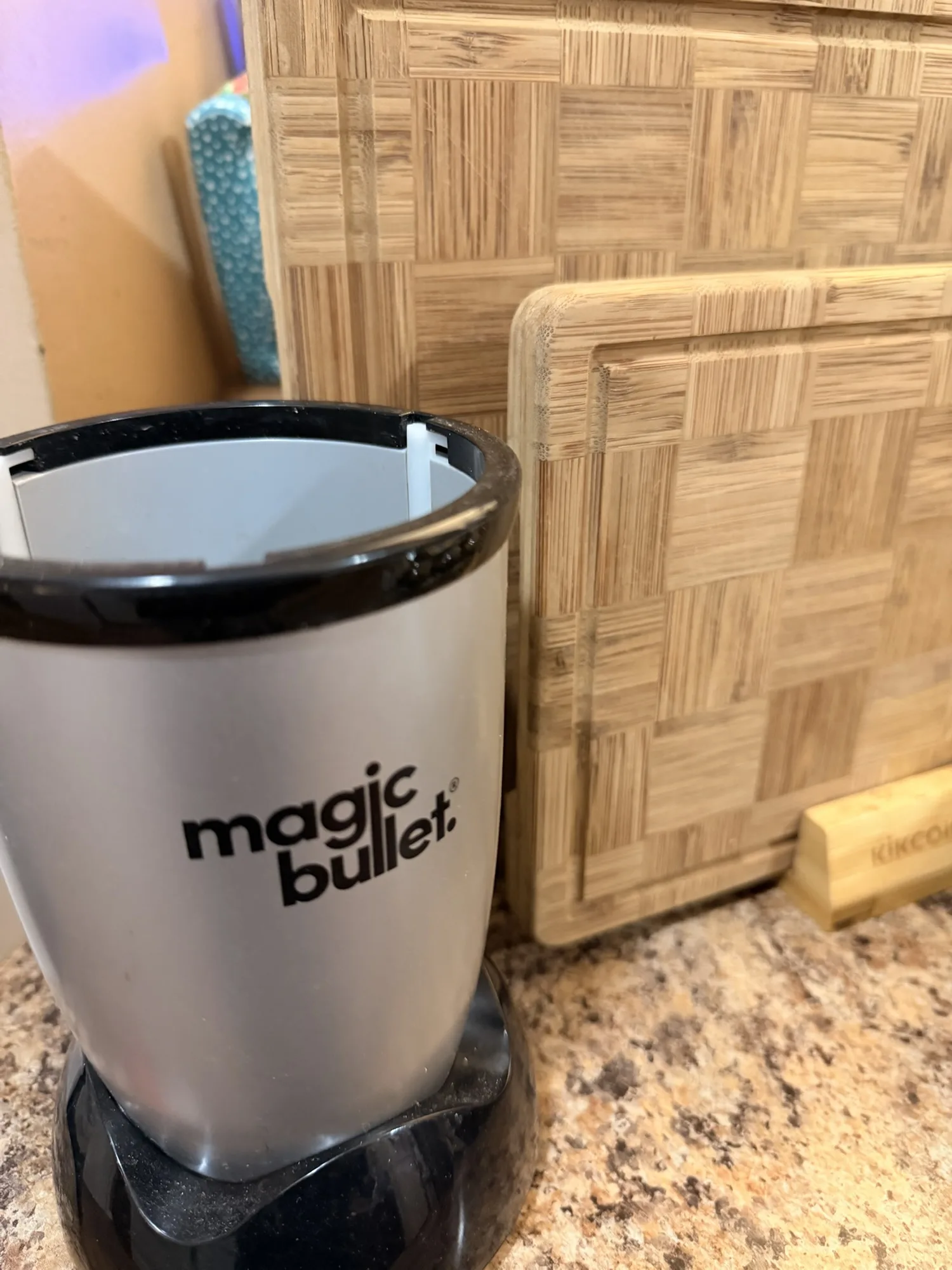
- A compact blender or dry-ingredient grinder: I use the Magic Bullet shown in my photo. Follow your particular appliance’s instructions and avoid overloading it.
- Oyster shell flour: I use this elsewhere in my worm-farming routine, but it is not part of the measured chow ingredients above.
Homemade Worm Chow FAQ
Can I make a single batch instead?
Absolutely. Use ½ cup oatmeal, ¼ cup cornmeal, ¼ cup chicken layer crumbles, and 1 teaspoon ground chia seed. That’s half of the double batch above.
Can I use regular chicken feed?
Check the label before substituting. I’m specifically describing Purina Layena 16% layer crumbles, not medicated starter feed or a generic poultry product. Chicken feeds can differ in ingredients, minerals, additives, and salt content. Don’t assume they’re interchangeable in worm bins.
Should I add oyster shell flour to the chow?
I keep it separate. That makes it easier to adjust mineral additions to each bin instead of putting a fixed amount in every scoop. I’m not presenting an untested oyster-shell measurement as a universal rule.
Does grinding it finer make the worms eat it immediately?
Not necessarily. Fine texture makes it easier to scatter evenly, but actual consumption depends on the decomposition happening in that bin. If it’s still there, don’t pile more on top.
Can I store the mixture?
Yes—keep it completely dry in an airtight container away from humidity and heat. I haven’t established a tested shelf life for this blend, so I make manageable batches and discard anything that gets damp or smells spoiled.
Final Thoughts From My Worm Farm
I like simple experiments that I can actually keep up with. A jar of measured chow, a light sprinkle, and a quick look at the bin tell me more than a complicated “superfood” claim ever will.
The oatmeal and cornmeal are now part of this version of my mix, the layer crumbles are still in there, and I’m keeping oyster shell flour separate. I’ll adjust the routine based on what my own worms show me.
Want other ingredient options? Head back to my original worm chow recipes, where I walk through several different blends. And if your main feeding issue is too much food or the wrong moisture, start with the worm feeding basics before changing the recipe.