
Let’s be honest.
Most gardeners buy worm castings, mix a handful into their soil in spring… and call it a day.
And that’s fine.
But if that’s all you’re doing?
You’re barely tapping into what worm castings can actually do.
Because worm castings aren’t just fertilizer.
They’re living biology.
They’re microbial fuel.
They’re slow-release nutrients wrapped in organic matter.
They’re a soil conditioner and plant immune booster in one.
And when you understand how to use them properly, they become one of the most versatile tools in your entire garden.
In this guide, I’m going to walk you through 12 powerful ways to use worm castings in your garden — from seed starting to mid-season boosting to rebuilding dead soil.
Let’s start with the obvious one… and then go way beyond it.
1. Mix Worm Castings Into Soil Before Planting
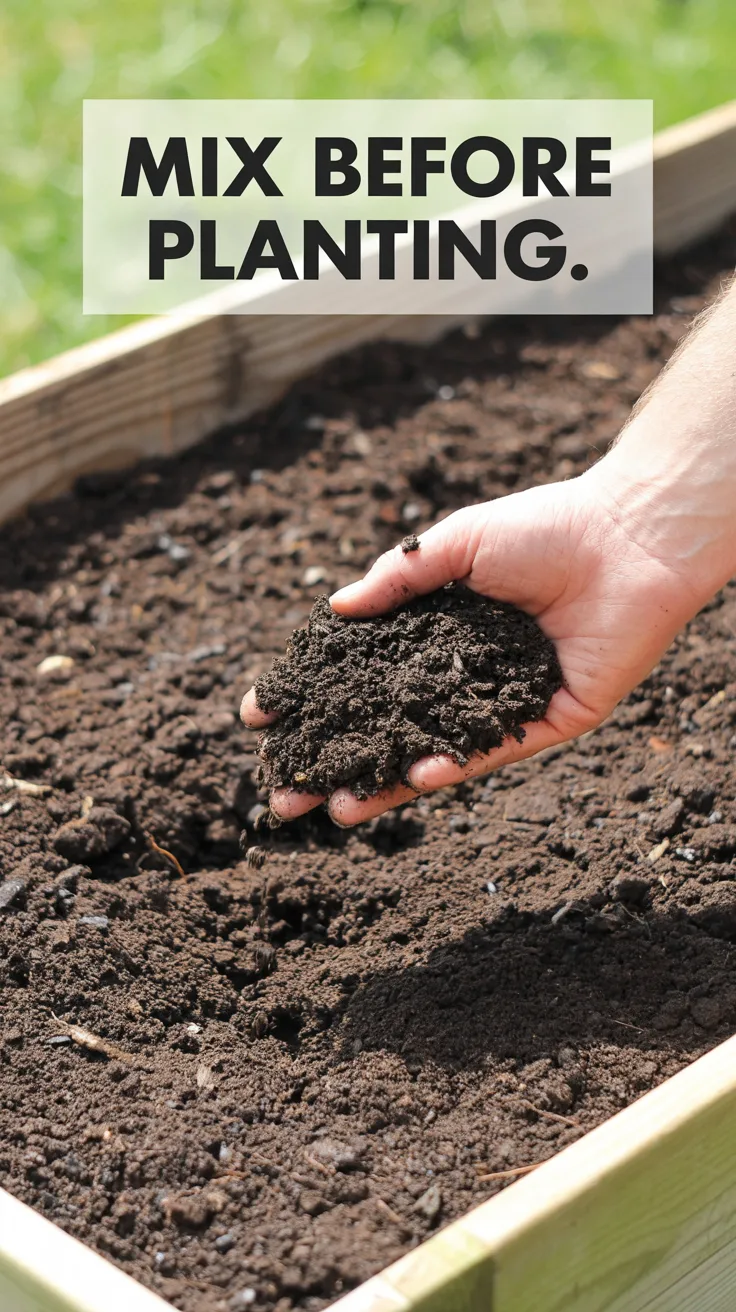
This is the classic method that I still use to this day.
Before planting:
- Work worm castings into garden beds
- Blend into raised beds
- Mix the soil into the container
A good rule of thumb is to mix 10–25% worm castings into existing soil.
Why it works:
Worm castings improve:
- Soil structure
- Aeration
- Water retention
- Microbial diversity
- Nutrient availability
Unlike synthetic fertilizers, castings don’t “feed the plant directly” in a harsh way. They feed the soil first — and healthy soil feeds plants better.
This is foundational.
But we’re just warming up.
2. Use Worm Castings as a Top Dressing
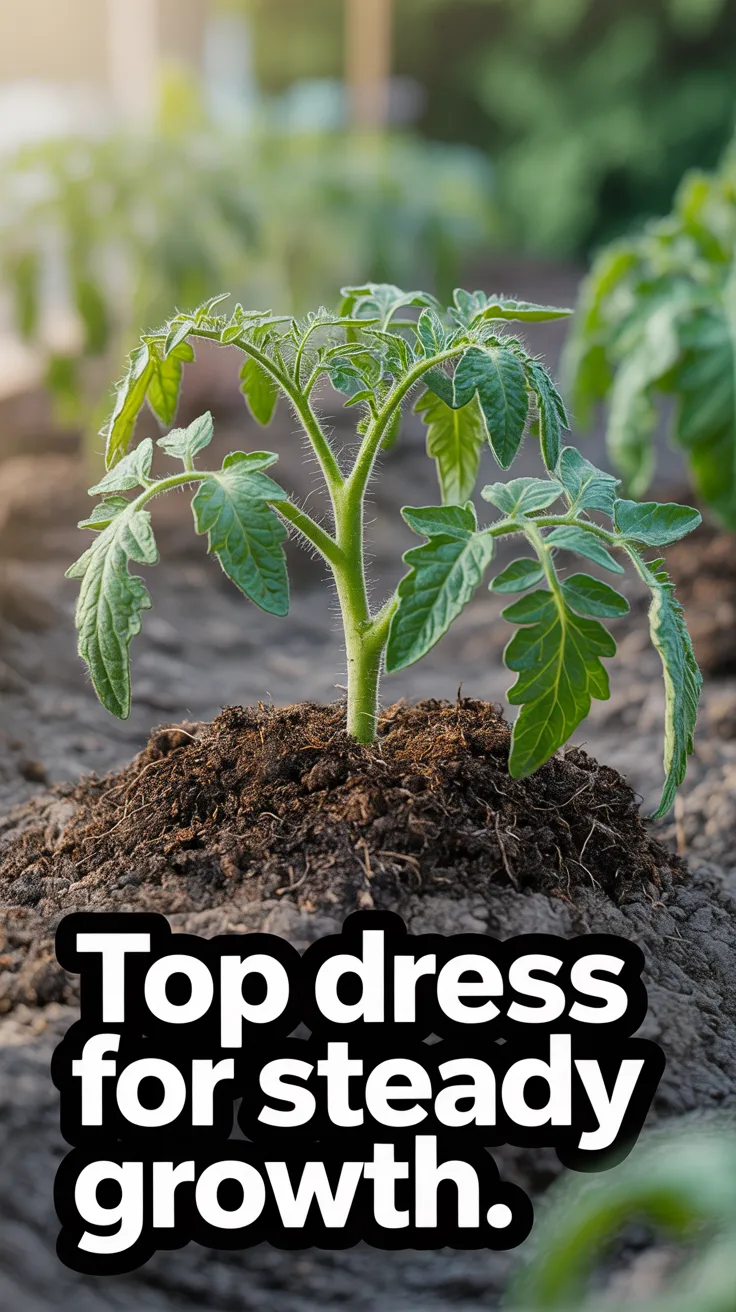
By far one of my favorite uses. Instead of mixing them in, sprinkle a layer around the base of established plants.
Then water them in.
This works especially well for:
- Tomatoes
- Peppers
- Cucumbers
- Strawberries
- Herbs
- Leafy greens
Top dressing creates a slow-release feeding zone at the soil surface, where beneficial microbes can move downward into the root zone.
It’s simple.
It’s clean.
And it works.
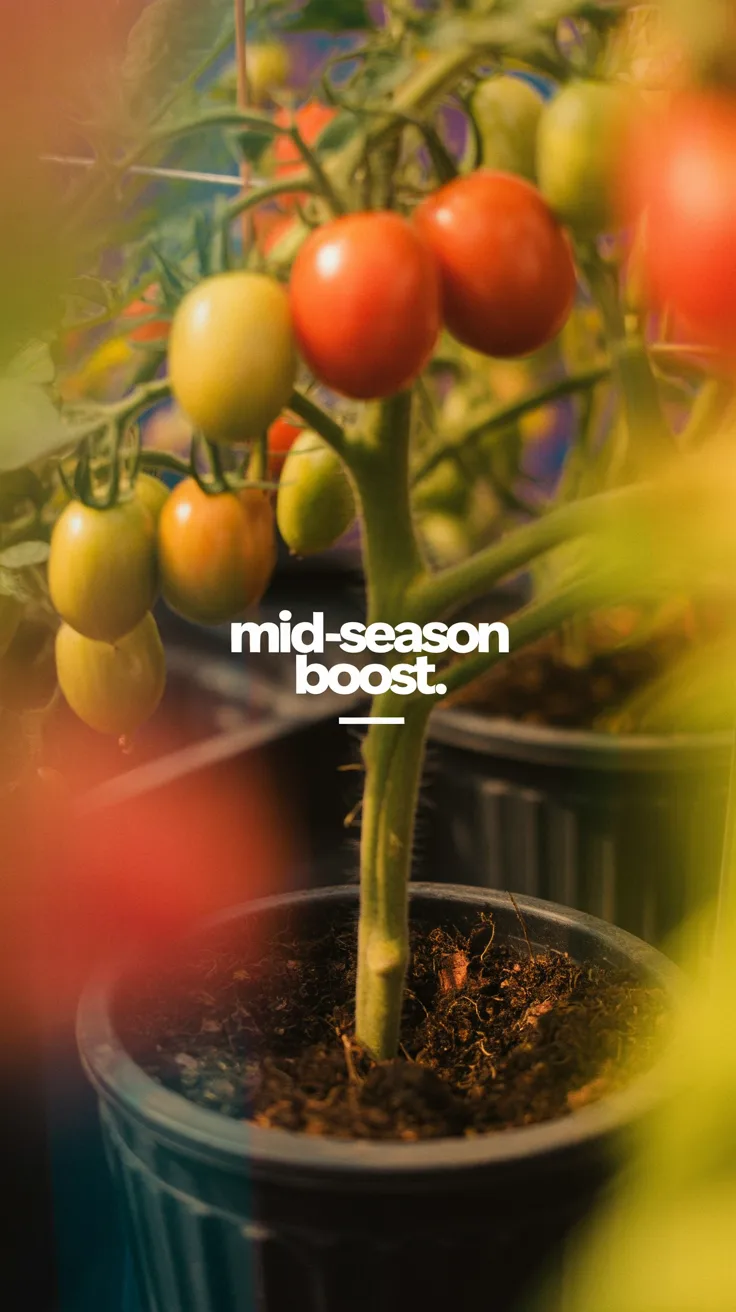
3. Side-Dress Heavy Feeders Mid-Season
Here’s where most gardeners miss out.
Tomatoes and squash don’t just need nutrients at planting time. They get hungry when fruit production ramps up.
Mid-season, add worm castings in a ring around the plant’s root zone.
Water it in.
You’re giving plants:
- A biological boost
- Slow-release nutrition
- Improved nutrient cycling
Without shocking them with synthetic fertilizers.
This is especially powerful in organic gardens.
4. Add Worm Castings to Transplant Holes
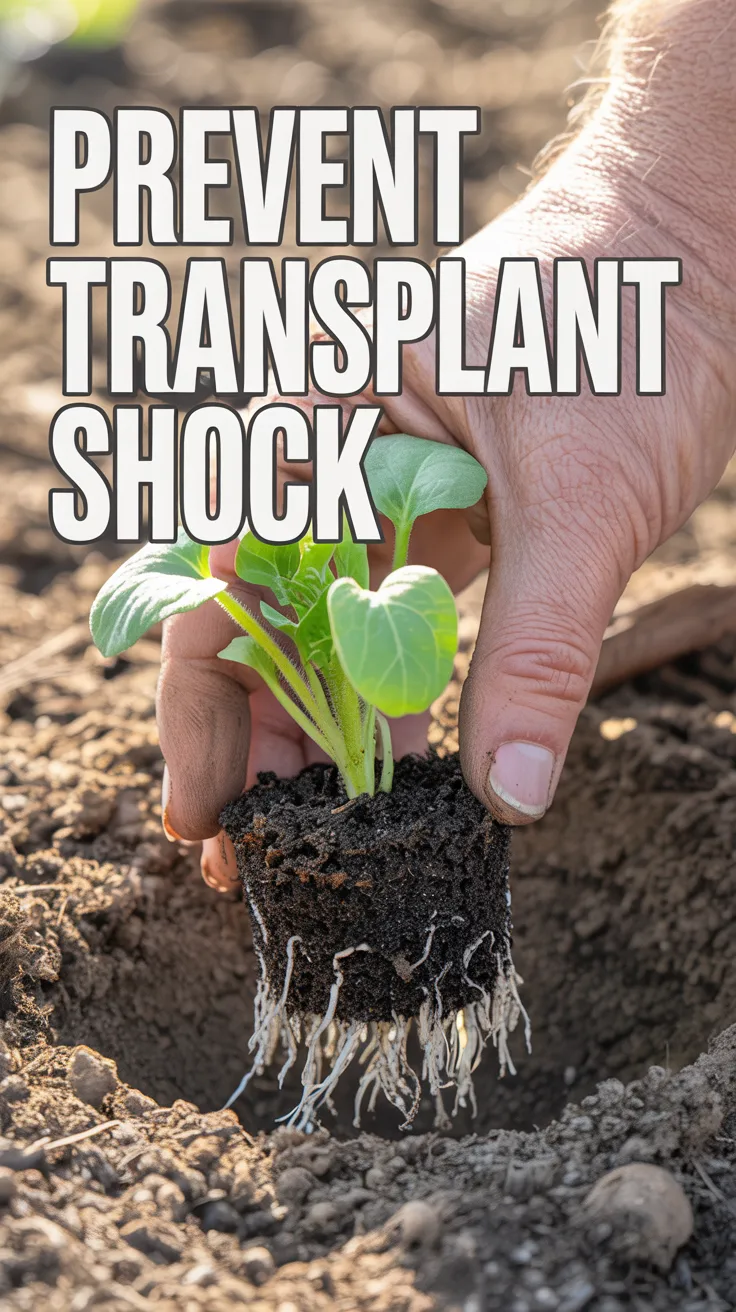
This is a big one for me. Transplant shock is real.
When moving seedlings into the garden, drop a handful of worm castings directly into the planting hole. I will add worm castings and some healthy red wiggler worms to start an in-ground worm farm.
Why this works:
- Encourages rapid root expansion
- Improves microbial contact at root level
- Reduces stress
Think of it as rolling out a welcome mat for roots.
5. Upgrade Your Seed-Starting Mix
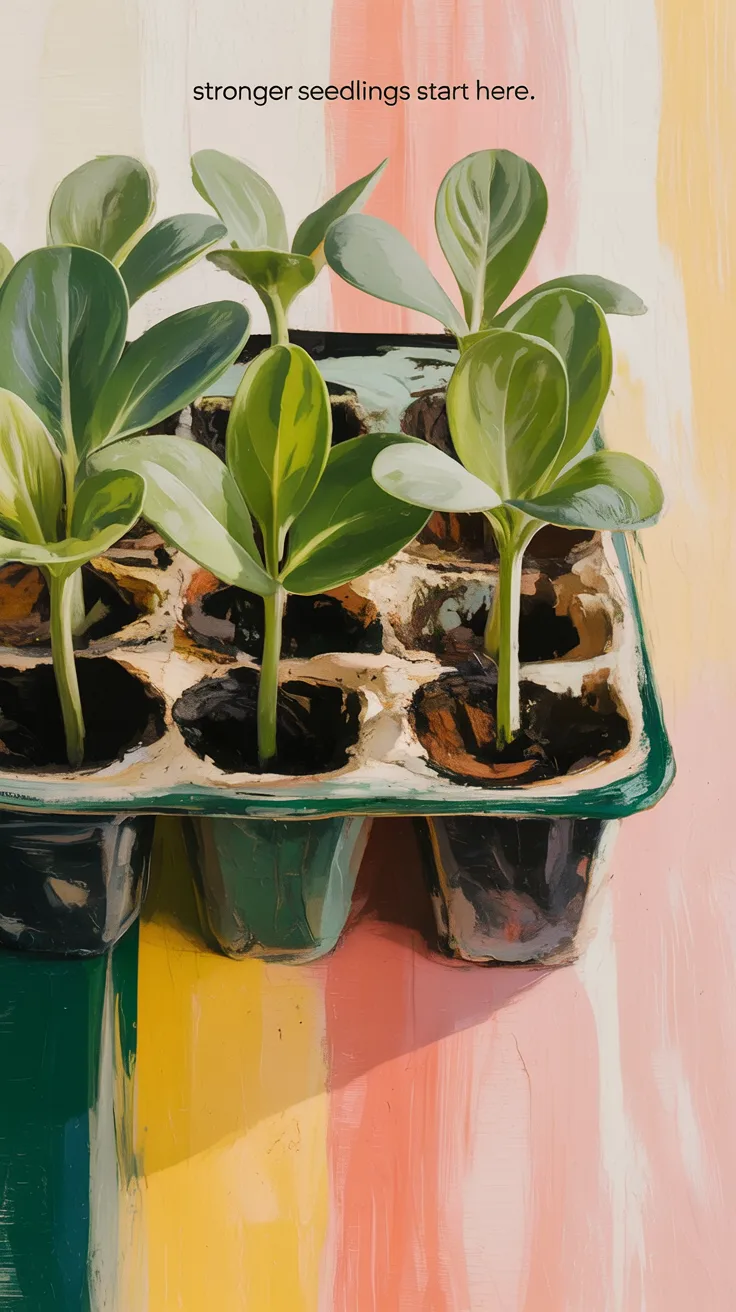
Worm castings are gentle enough for seedlings.
Mix 10–20% castings into your seed-starting mix.
You’ll notice:
- Faster germination
- Thicker stems
- More robust root systems
And since worm castings are non-burning, you don’t risk damaging delicate roots.
This is one of the safest organic upgrades you can make to your seed-starting routine. I consistently see faster growth in my seedlings this way.
6. Refresh Tired Container Soil
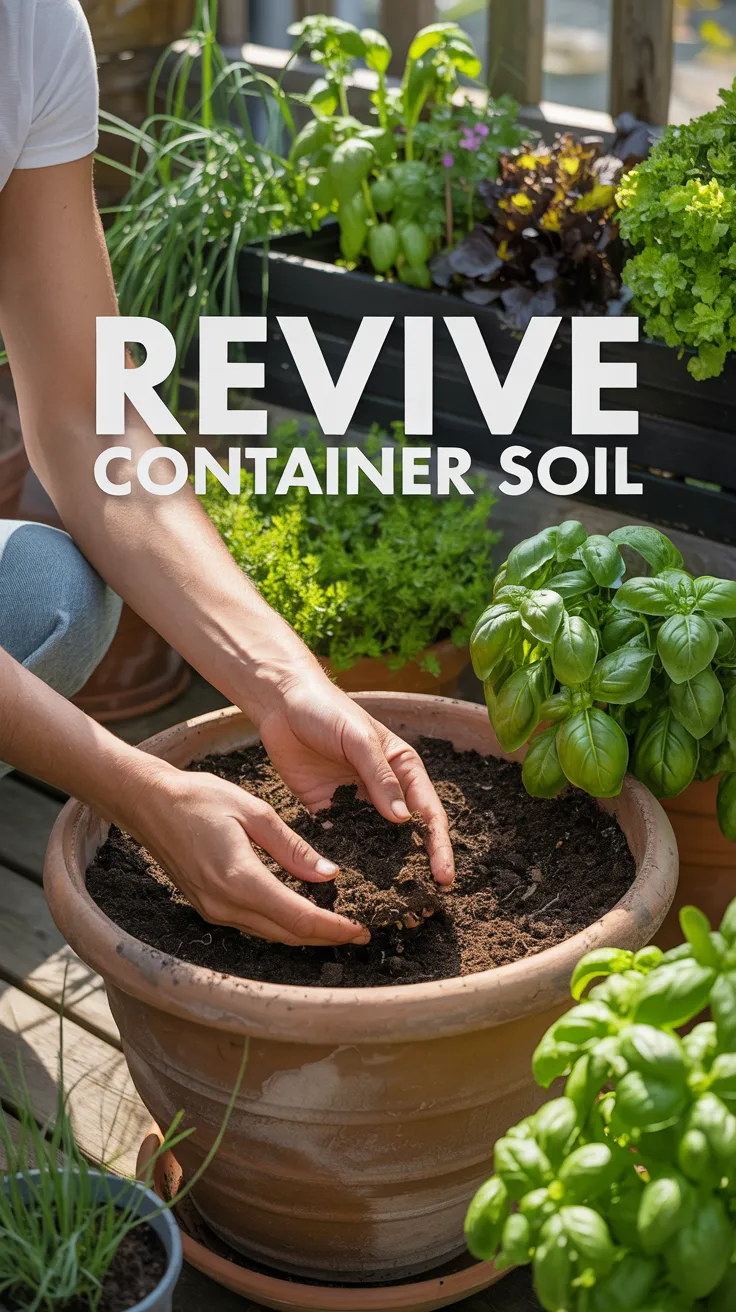
Container gardening is brutal on nutrients.
By mid-season, potting soil is often depleted.
Instead of replacing all the soil:
Mix fresh worm castings into the top few inches. I will also add some worm castings tea.
This reintroduces:
- Beneficial microbes
- Trace minerals
- Slow-release nutrition
For patio and balcony gardeners, this method alone can dramatically extend productivity.
7. Make Simple Worm Casting Tea
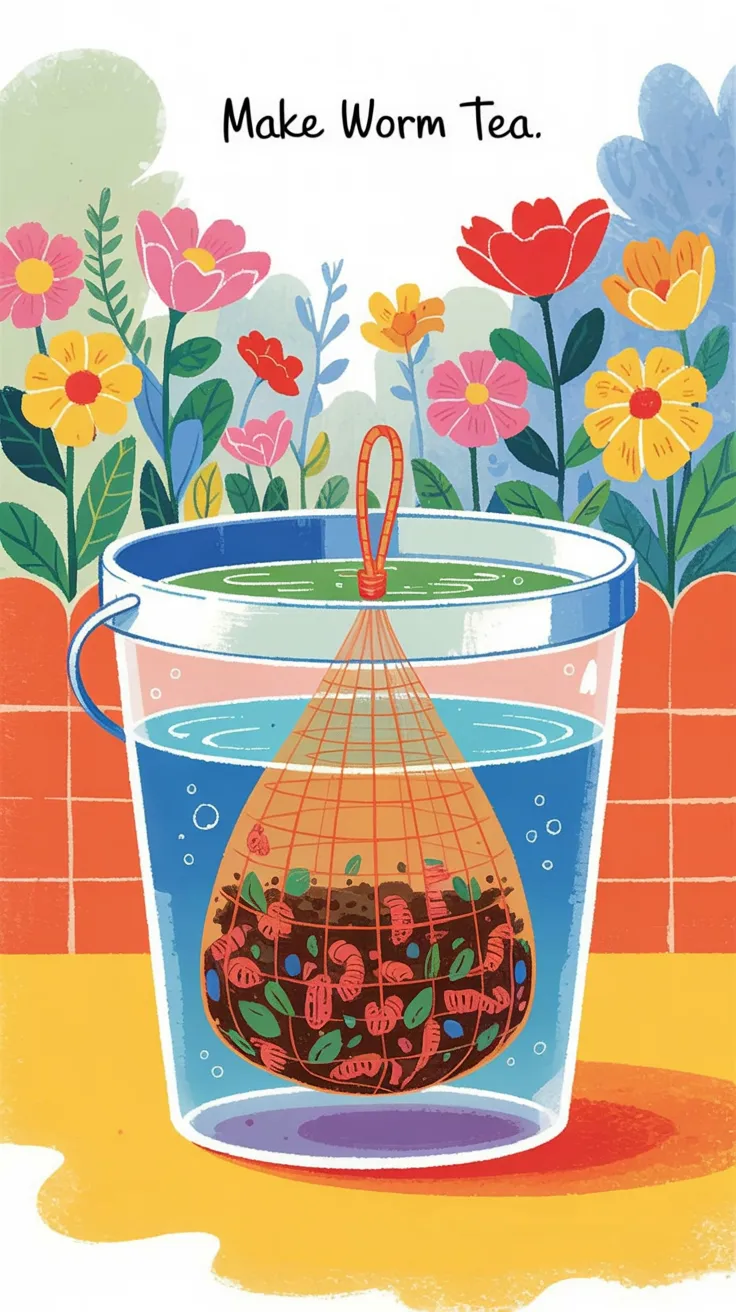
You’ve probably heard of worm tea.
Here’s the simple version:
- Add worm castings to a bucket of water
- Let steep 12–24 hours
- Strain
- Use as a soil drench
This liquid form helps distribute microbial life evenly throughout the soil.
It’s especially useful for:
- Large beds
- Established shrubs
- Lawns
It’s not magic.
It’s biology in liquid form.
8. Brew Aerated Compost Tea (Advanced)
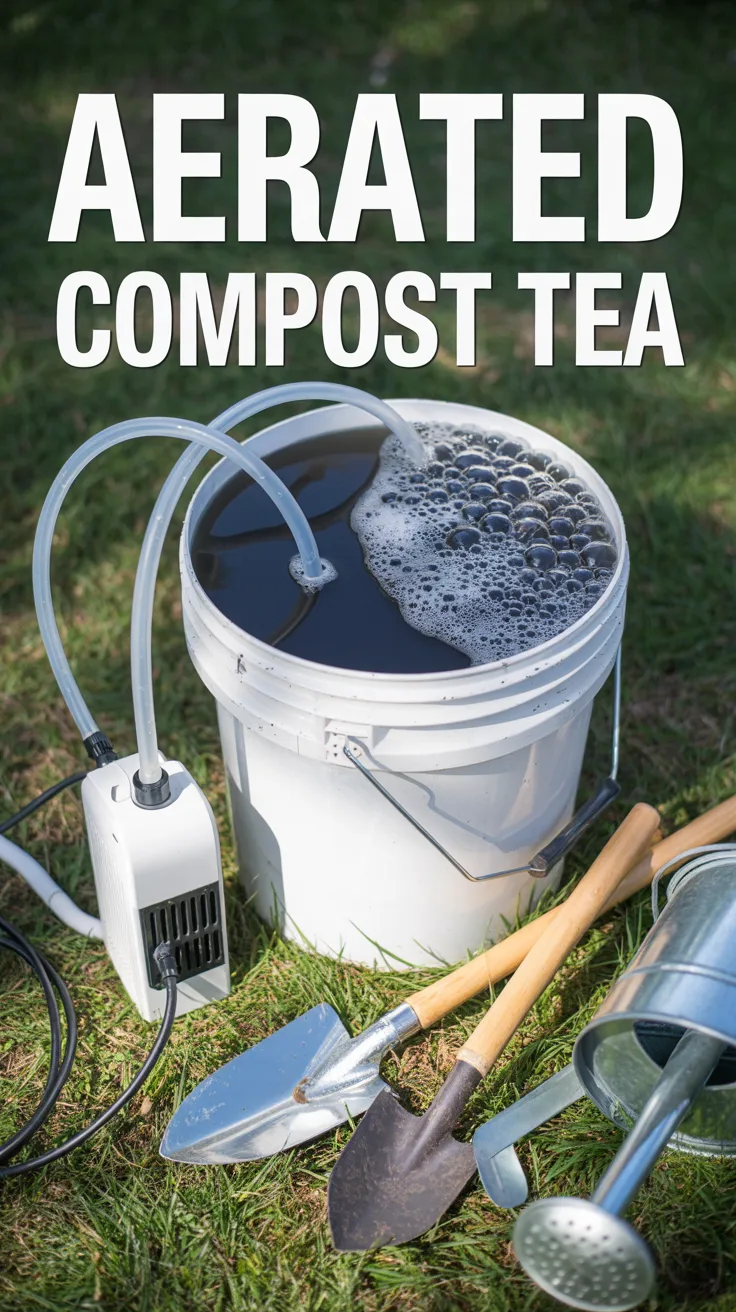
Want to take it further?
Add an aquarium air pump to the steeping process.
Aeration encourages rapid microbial multiplication.
The result?
A highly active microbial solution that can:
- Boost soil life
- Support plant immunity
- Improve nutrient cycling
This method is popular with serious organic growers. It is my go-to method. I make a batch every 2 weeks, and my plants go crazy for it.
9. Apply as a Foliar Spray
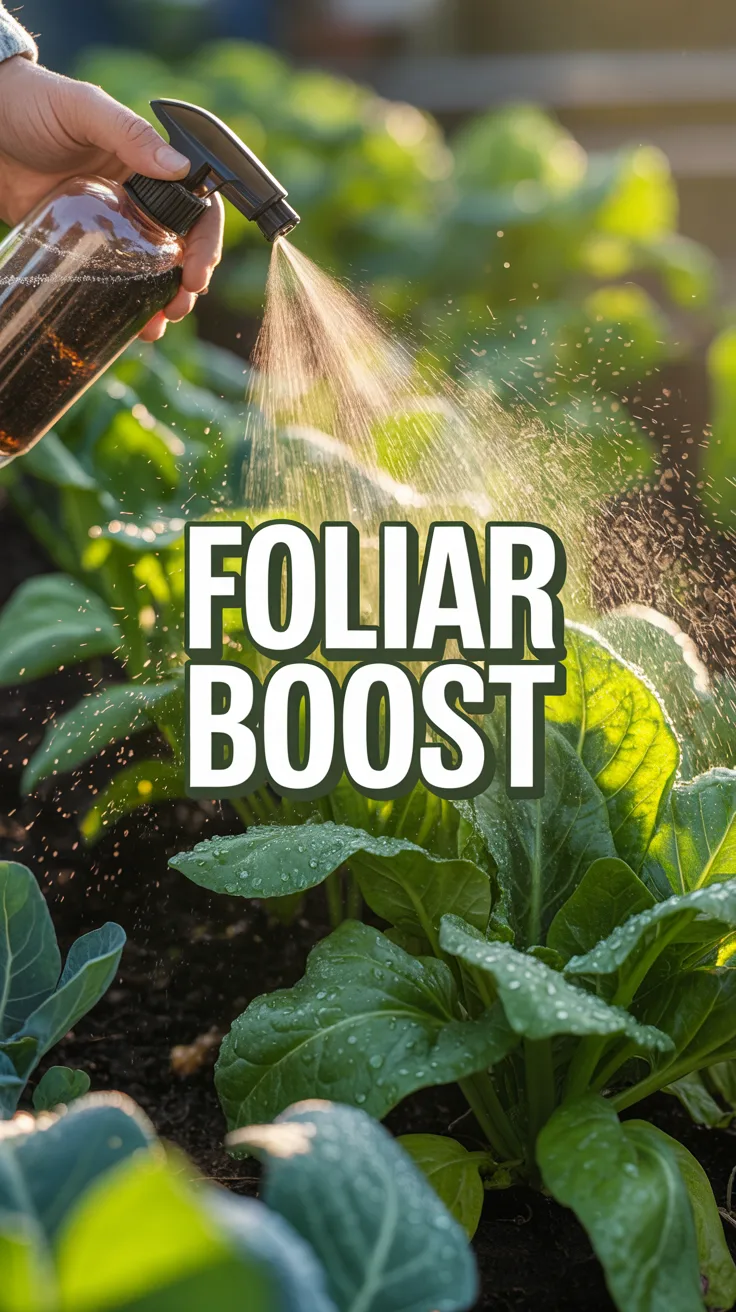
Diluted worm casting tea can be sprayed onto plant leaves.
Why?
Because microbes can colonize leaf surfaces, helping create a healthier plant environment.
This may:
- Improve plant resilience
- Support natural disease resistance
- Reduce stress
It’s preventative gardening. I do this both indoors and outdoors with my hydroponic garden and raised garden beds.
10. Strengthen Trees and Shrubs
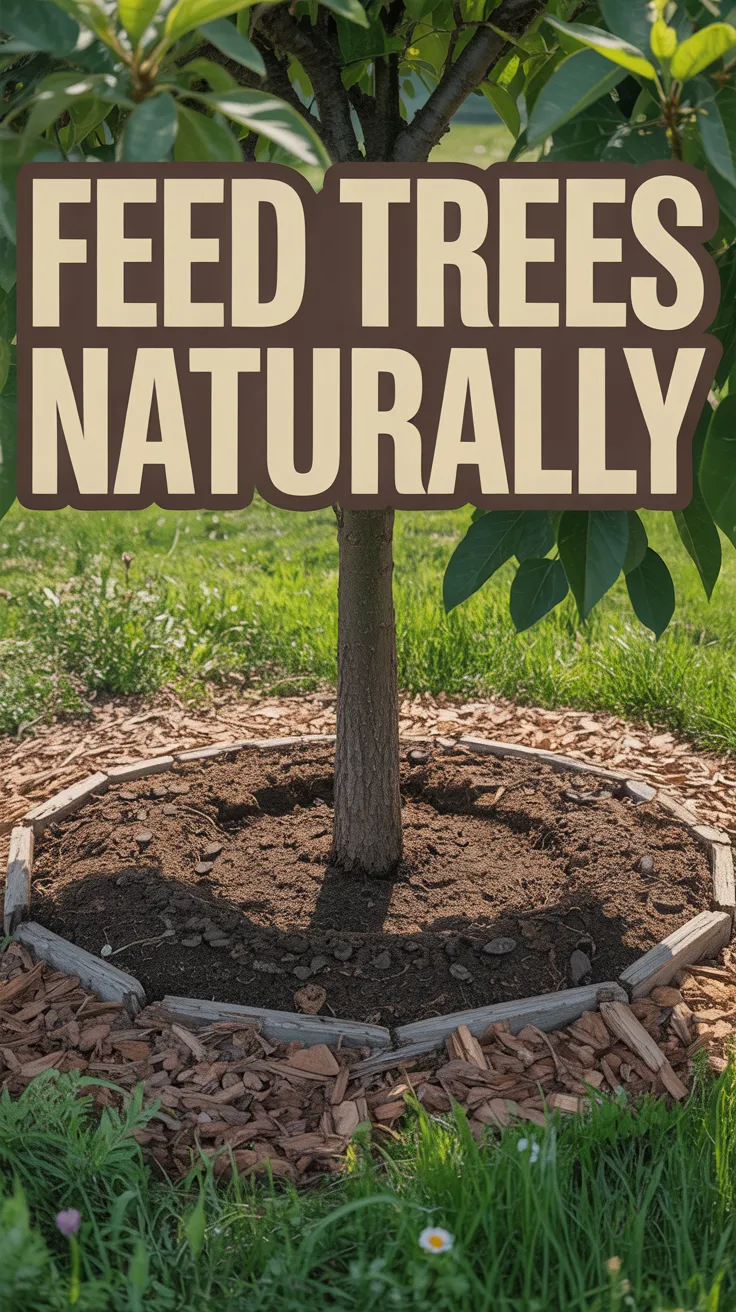
Worm castings aren’t just for vegetables.
Spread castings around the drip line of:
- Fruit trees
- Ornamental trees
- Berry bushes
- Shrubs
Lightly rake in and water.
This improves soil biology in the root zone and supports long-term growth.
11. Boost Lawn Health Naturally
Yes — lawns too.
Lightly broadcast worm castings over turf and water in.
The benefits:
- Improved soil structure
- Healthier root systems
- Stronger turf density
Unlike synthetic lawn fertilizers, castings build soil health over time.
It’s slower.
But it’s sustainable.
I would also recommend incorporating worm castings tea into your irrigation schedule to help with this.
12. Rebuild Dead or Compacted Soil
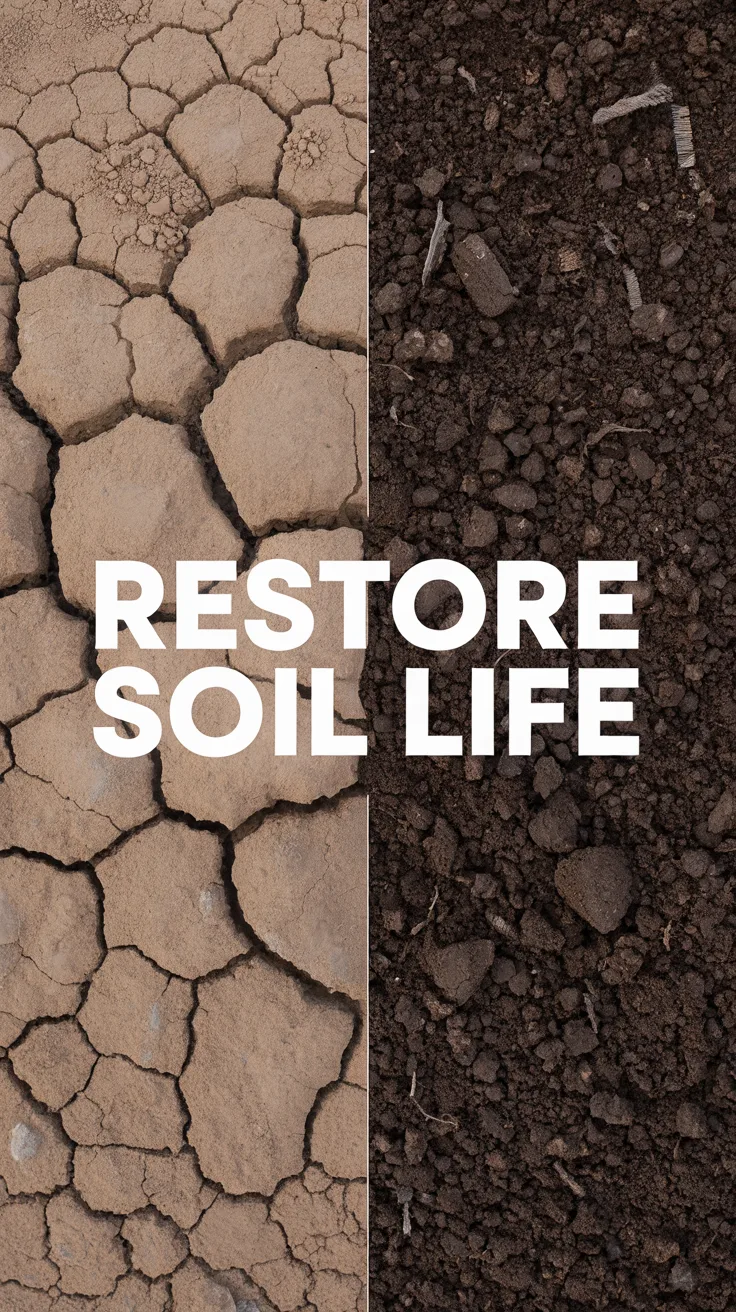
If your soil feels lifeless…
Hard. Crumbly. Depleted.
Work worm castings into the top layer.
They introduce:
- Microbial life
- Organic matter
- Soil-conditioning compounds
Over time, this helps rebuild biological activity in struggling areas.
It’s not instant.
But it’s powerful.
Why Worm Castings Are So Effective
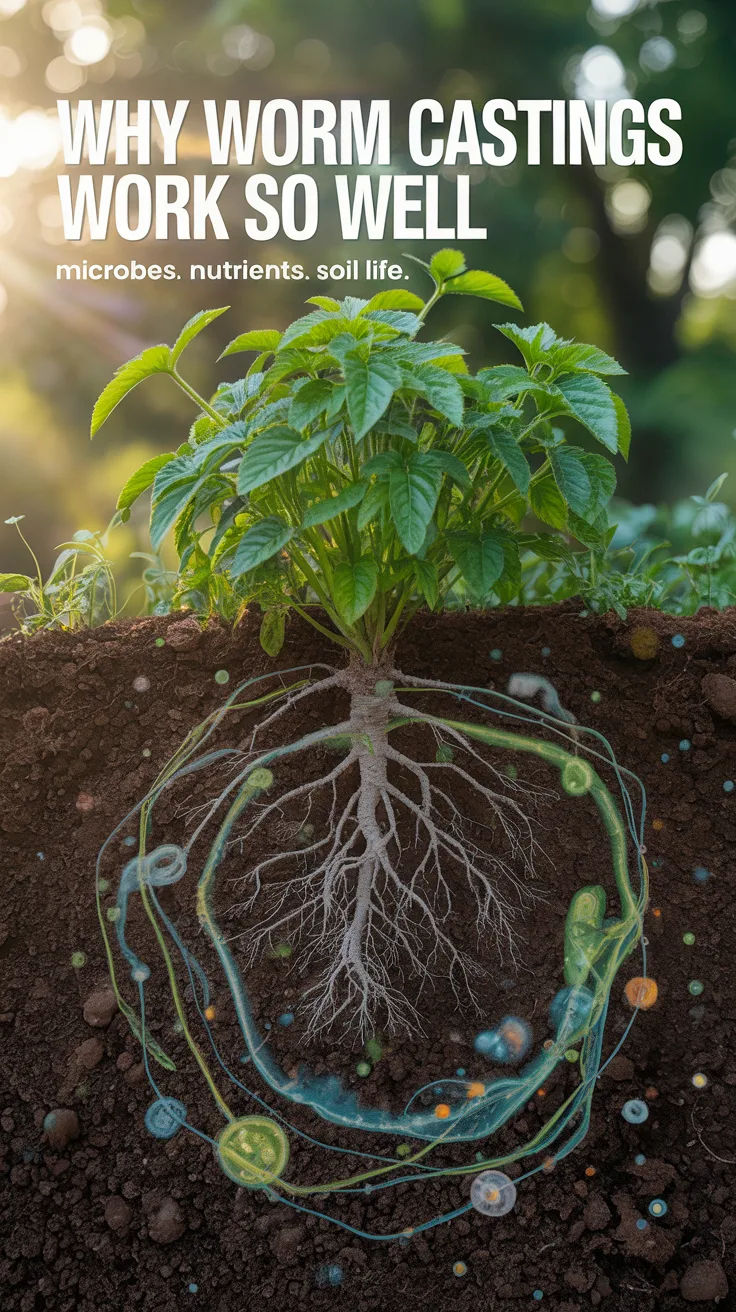
Here’s what makes worm castings different from standard compost or fertilizer.
They contain:
- Beneficial bacteria
- Fungi
- Enzymes
- Humic acids
- Plant growth hormones
- Trace minerals
And they release nutrients slowly. This is why I advise people not to buy worm castings and to make their own; it will be much more potent.
That means:
No burning.
No harsh spikes.
No chemical runoff.
Just steady support.
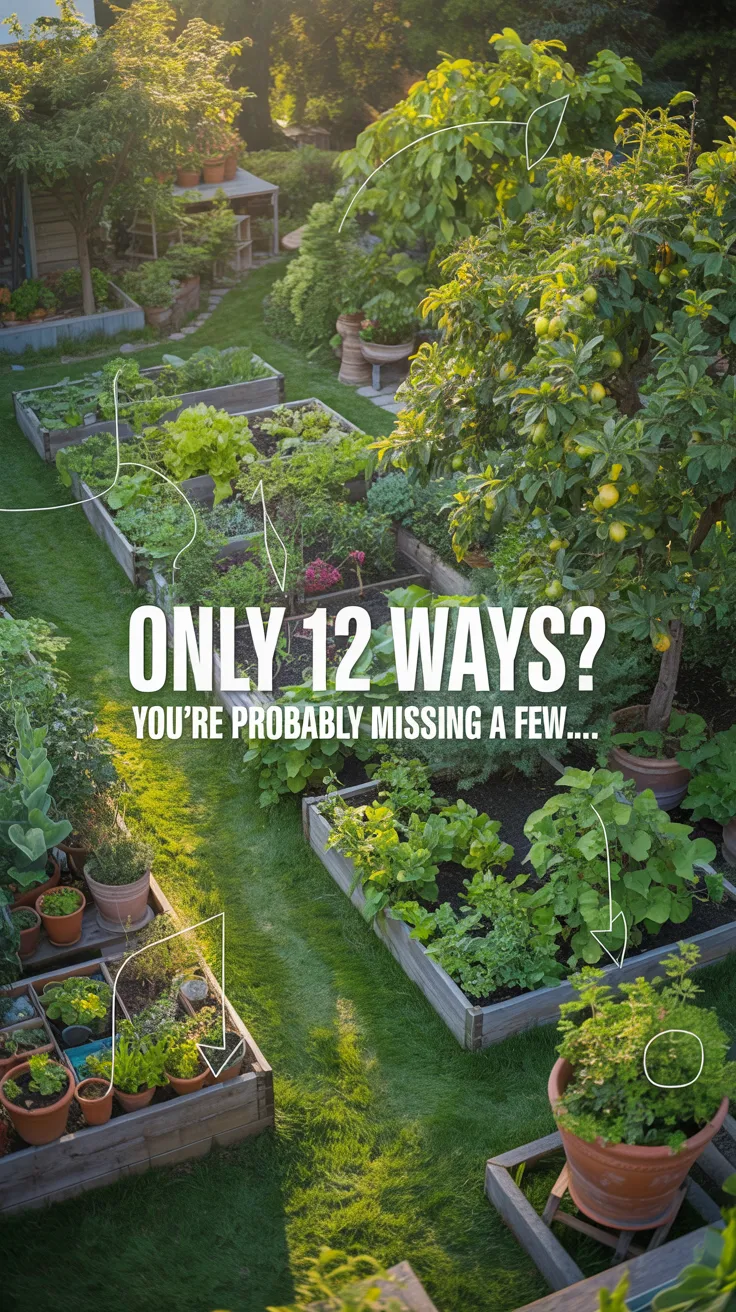
Are There Really Only 12 Ways?
Technically?
There are 12 primary application methods.
But once you break them down by crop type, garden style, and timing, you can easily identify 20+ practical uses.
- Vegetable gardens.
- Container gardens.
- Raised beds.
- Lawns.
- Ornamentals.
- Fruit trees.
Worm castings adapt to all of them.
Final Thoughts: Are You Using Worm Castings to Their Full Potential?
If you’ve only been mixing them into soil once a year…
You’re missing out.
Worm castings can be used:
- Before planting
- During growth
- Mid-season
- After harvest
- In soil
- In liquid form
- On leaves
- On lawns
They’re not just a fertilizer.
They’re a biological system builder.
And once you understand that, your entire approach to soil changes.


